



There are places where public relations is mostly about storytelling, and then there are places where PR is more about consequence: places where reputation shapes investment, partnerships, talent, policy, and market access.
I believe the UAE sits firmly in the second category. For global communicators, it is not a “regional market” to be handled as an add-on. It’s more of a ‘live testing ground’ for how modern reputation is built, challenged, and sustained, at speed, scale, and under a level of international attention that many (larger) countries rarely experience.
Let’s start with something simple, for example, like proximity. The UAE has turned geography into global advantage. Dubai International Airport welcomed a whopping 92.3 million passengers in 2024, a reminder that this is a country built around connection, not isolation. When you can move people, capital, and ideas this efficiently, you also accelerate scrutiny. Every conference becomes international. Every announcement travels, and every mistake is exportable.
This is why global PR people should pay attention: the UAE compresses the future of communications into a smaller, faster, more visible arena.
How economics come into play
The second reason is economic gravity. Foreign direct investment is a noisy, competitive game, and the UAE plays it with serious intent. In the latest available report, UNCTAD’s country profile shows FDI inflows of about US$45.6bn in 2024, a scale that inevitably attracts multinational decision-makers, analysts, watchdogs, talent, and press.
The UAE also publicly frames FDI as a long-term strategic priority, including targets to 2031, which matters because communicators are no longer supporting “campaigns”; they’re supporting national and corporate growth strategies that run for years.
In that environment, PR stops being “nice to have”. It becomes part of the operating system.
The power of multiculturality
The third reason: the UAE is an unusually concentrated laboratory of global audiences. We speak to Emiratis and residents from dozens of countries; to luxury consumers and migrant workforces; to institutional investors and first-time founders; to Arabic speakers, English speakers, Hindi/Urdu speakers, and many more. Here, successful communicators quickly learn that a single message can land as inspiration in one community and as provocation in another, sometimes on the same day.
Add the digital layer and the feedback loop tightens further. Datareportal’s Digital reports regularly place UAE internet penetration at around 99%, with social media usage that can exceed the total population count (because many people maintain multiple platforms and accounts).
In other words: the UAE is not just “online”; it is hyper-online. That changes the craft, and the centre of gravity shifts from what a brand says to what people do with it: remixing, screenshotting, debating, amplifying, and factchecking in public.
Reputation tourism
Which brings us to the fourth point: the UAE is where global PR meets the reality of reputation tourism. Dubai remains among Tripadvisor’s top 5 global destinations.
This matters for PR because visitor economies create a constant stream of first-person media – guests, creators, reviewers, founders on stopovers, investors in town for a summit. The narrative about a place is not written only by journalists anymore; it’s writ large by millions of cameras and captions. In a market like this, hospitality, retail, real estate, aviation, culture, and government are all doing communications, whether they like it or not.
But the deepest reason the UAE matters to global PR is more human than statistical.
The country has built a reputation for “making things happen”, and that creates a particular psychological climate: optimism, ambition, speed – and expectation.
People come here to build, to launch, to raise capital, to scale teams, to reinvent themselves. That energy is magnetic; but it’s also fragile. When expectations are high, disappointment travels fast. When competition is intense, differentiation becomes harder. And when everything moves quickly, authenticity becomes a scarce resource.
So communicators who thrive in the UAE must rapidly develop the ability to do two things at once. They can handle the strategic, board-level side of reputation – the things that matter to investors, regulators, partners, and global media – while still producing communication that feels human, not corporate.
They know credibility is earned through specificity, not slogans; through clarity, not volume. And they understand that a region full of sophisticated audiences will forgive imperfection far sooner than it will forgive insincerity.
If you want one takeaway, it’s this: the UAE matters to global PR because it forces the industry to grow up. It is a place where brand equals behaviour, where speed magnifies consequences, where digital reality is non-negotiable, and where the world is constantly watching.
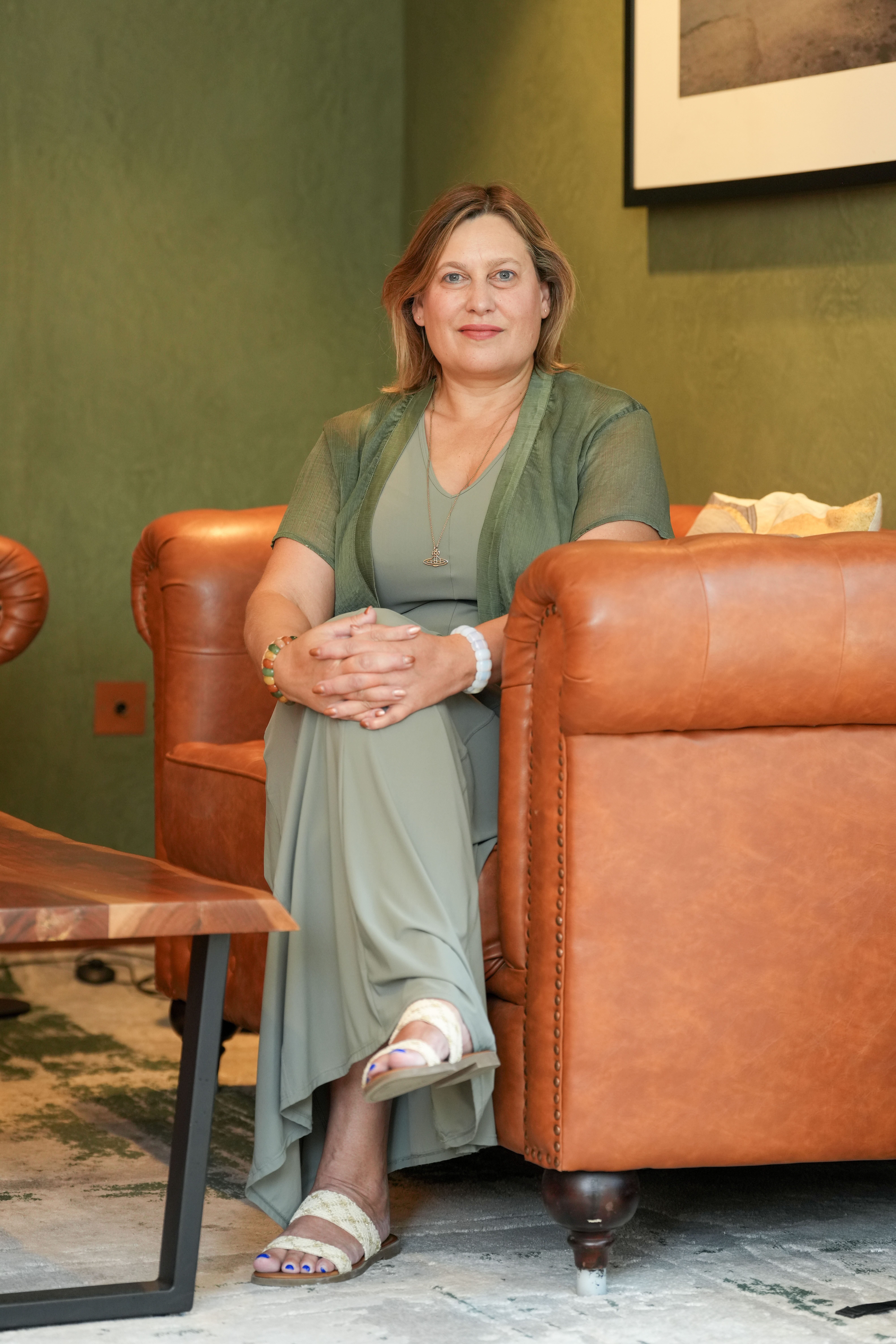
Ananda Shakespeare is the founder of Shakespeare Communications. A former journalist, she has over 30 years of media expertise, and also serves as a MEPRA Strategy Board member.
To stay in the know, follow PRmoment MENA on LinkedIn here. You can also subscribe below to our weekly newsletter.