




Anyone in communications who has had to produce information about a sustainability initiative knows that words really matter.
There’s the obvious point about fairness and accuracy, to ensure that the way something is worded doesn’t overstep the mark or shroud reality in its efforts to share the positive effect of the action that has been taken.
But there’s also the need for broad audiences to find the detail clear, compelling and convincing. And that’s what Zoë Arden has built her career on, having run communications agencies, joined large corporations and now working independently with business leaders to help them make sustainable change stick.
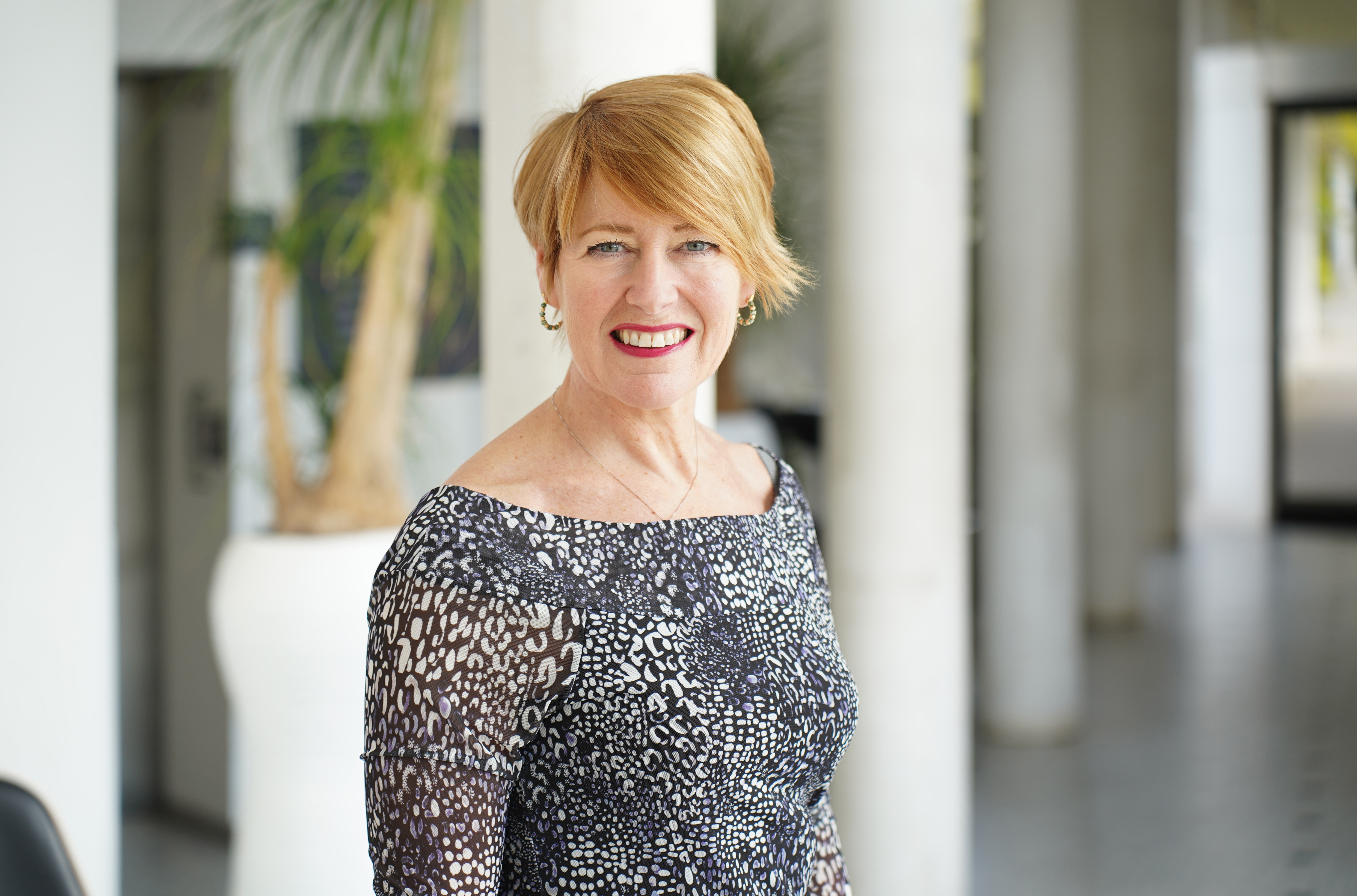
As well as working across multiple ongoing projects, Zoë is a fellow at the University of Cambridge Institute for Sustainability Leadership (CISL), which is an impact-led institute that works with business leaders globally to strengthen their ability to lead change. She develops and runs training programmes, and delivers influence and impact coaching.
Much of her experience, and her views on how communications techniques can help to drive sustainable impact, are covered in her new book Story-Centred Leadership. Having begun her career in technology PR agencies, she worked at Weber Group up to its merger with Shandwick and then GolinHarris, now Golin.
Zoë then went in-house to BT Retail and gained her first exposure to the impact that sustainability projects can have on a large business, and what’s required to demonstrate the business value of positive change to a company’s leadership team. “It was the best possible training, and underlined the point that communications really is a superpower for business. We showed that by communicating something successfully, we could create much broader impact for the business and for all of its stakeholders,” she said.
Since that experience, she has worked for sustainability consultancies, other agencies, including handling Apple’s PR in Europe and the US, and for herself, in roles and on projects that engage business leaders in positive change but are always anchored on the impact that communications has on the success of initiatives.
As sustainability programmes face even greater challenges to cut through and to gain the long-term support of companies and their investors, she believes that the ability to make communication as clear and concise as possible has never been at such a premium.
“I think we all know that we should avoid jargon and try not to overcomplicate things, but with more scrutiny around sustainability it’s even more important, to share information in ways that everybody can understand,” she said.
“On the Cambridge courses I talk a lot about the power of storytelling and it is fundamental of course. But we also have to avoid getting stuck in a sustainability echo chamber that makes it difficult for the average person to really understand what we’re sharing. We may need to apply storytelling techniques, but we are talking about meaning-making, not glossy slogans or spin."
In many cases, such as in complex areas like climate science, communications and particularly the way that stories are used can simplify complicated topics without oversimplifying the stark reality of the situation, she said.
"It is how we can engage, motivate and mobilise others to accelerate transformational change — and that includes articulating why they should care and what’s in it for them. Stories can do that. It is that simple.”
Her advice for how best to do this is equally simple. Put yourself in the shoes of who you want to motivate and engage, use words, anecdotes and examples that they understand and resonate with them, and above all keep it human.
