




Half of freelance creatives (50.7%) say rising stress levels are affecting their work as client budgets tighten across the industry, according to new research from The Accountancy Partnership.
At the same time, half of respondents (50.2%) say client budget cuts had the biggest negative impact on their work in 2025, suggesting that financial pressures affecting businesses may be reducing demand for creative services.
Key findings from creative freelancers
- Half (50.2%) say client budget cuts are the biggest challenge affecting their work
- Over half (50.7%) report increased stress or anxiety
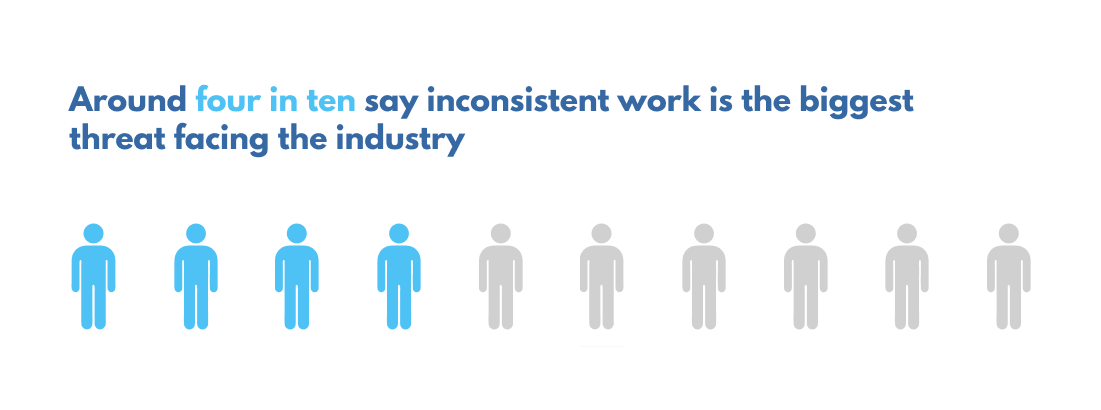
- Around four in ten (40.3%) say inconsistent work is the biggest threat facing the industry
- Over two in five (43.3%) believe AI will negatively affect the sector
- Nearly half regularly work unpaid hours each week
- Nearly one in three freelancers (30.3%) say tax administration has negatively impacted their business
Creative freelancers often rely on project-based work, which can make income less predictable when economic conditions become uncertain.
Lee Murphy, Managing Director at The Accountancy Partnership, experts in accounting for freelancers in the creative industry, says: “Creative work is often closely linked to marketing budgets and discretionary spending. When businesses begin tightening costs, creative services can sometimes be one of the first areas to see reduced investment.”
Murphy said this can create financial uncertainty for freelancers who rely on a steady flow of projects. “Unlike salaried employees, freelancers don’t have guaranteed income. When projects are delayed or budgets are reduced, that uncertainty can quickly translate into financial stress.”
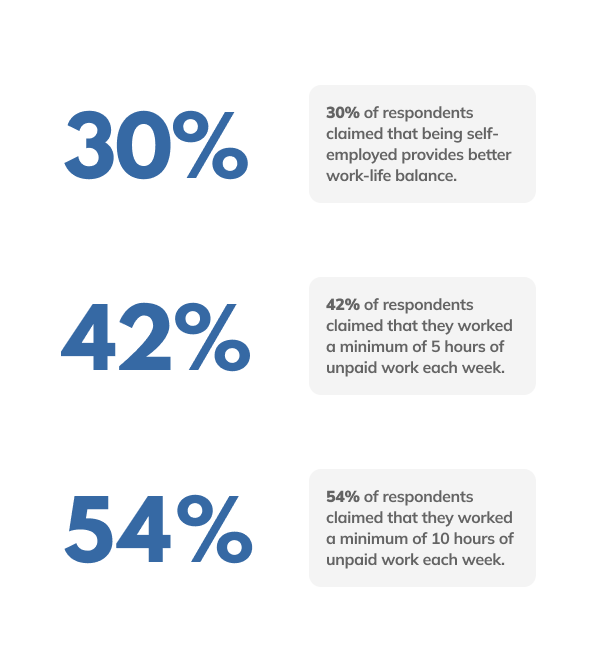
The research found that over half of freelancers (52.6%) say their work-life balance has improved since becoming self-employed, while others cited greater flexibility around family responsibilities and the freedom to choose projects as major advantages.
Despite these pressures, many creative freelancers continue to value the flexibility that self-employment provides. Murphy said these benefits explain why many professionals continue to choose freelance careers despite economic uncertainty.
“Self-employment allows creative professionals to work with a variety of clients, pursue projects they’re passionate about and maintain greater control over their careers,” Murphy said. However, he added that stronger financial planning can help freelancers navigate periods of uncertainty. “Having clear visibility over income, expenses and tax obligations can help freelancers manage periods where work becomes less predictable.”
While economic pressures are affecting creative freelancers, the research suggests many remain resilient. Murphy said the ability to adapt has long been a defining strength of the sector. “Creative industries have always evolved alongside technological and economic change. Freelancers who continue developing their skills and adapting to new tools are often best placed to thrive in a rapidly changing industry.”
If you enjoyed this article, sign up for free to our twice weekly editorial alert.
We have six email alerts in total - covering ESG, internal comms, PR jobs and events. Enter your email address below to find out more: