


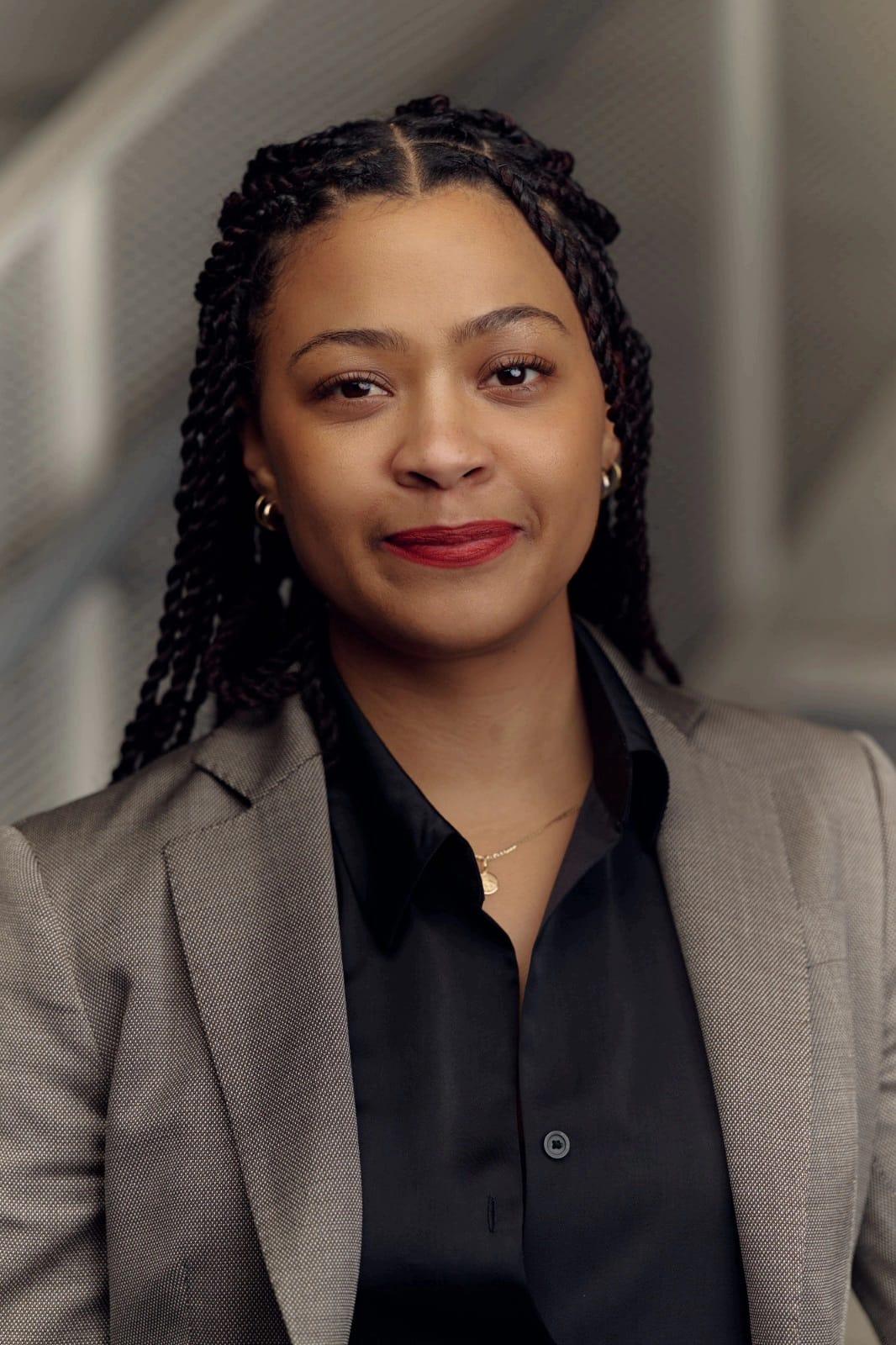
"Being brave only got me so far. What actually shifted things was when senior people backed me, put their names to what I was saying and helped turn it into tangible change." Ammaarah-Hafezi
That quote cuts through the industry's comfortable narrative about progress. It also names something too many women of colour in PR already know: the ingrained barriers don't fall away depending on how much ambition, talent or work ethic you have. It's about the system around you.
New research from People Like Us and Women in PR puts data behind what has long been lived experience. Nearly three in ten ethnic minority women (29%) say their ideas have been ignored or dismissed, only to be repeated by someone else and credited elsewhere. A staggering 79% have experienced workplace issues in the last 12 months alone, compared to 63% of white women and 65% of white men. This is not a pipeline problem. It is the "Recognition Gap."
The Recognition Gap describes the gulf between the contribution women of colour make and the credit, compensation and progression they receive in return. It is not a single dramatic moment of discrimination but an accumulation of smaller ones: the idea that lands when someone else says it, the pay rise that requires a fight, the promotion criteria that somehow keeps shifting.
The picture is sharper than the industry wants to admit
The data does not describe occasional friction – it describes a pattern that cuts across pay, progression, day-to-day experience and mental health. One in five ethnic minority women report microaggressions (20%) and discrimination (20%) at work, more than double the rate of white women and white men. A quarter have held back from raising concerns because they feared the consequences, and nearly a quarter carry what the research calls the "representation tax": the mental load of being expected to represent an entire community while simply trying to do their job.
Sheeraz Gulsher, co-founder of People Like Us, said: "We've heard from women of colour over the years who have described the exact experiences this data captures. The ignored idea, the pay discrepancy discovered by accident, the promised promotion that never came. None of that is a coincidence, and none of it is a personal failing. At some point, patterns this consistent stop being oversights and start being choices."
Stalled careers and unequal pay
Almost half (47%) of ethnic minority women say they feel behind where they expected to be in their careers, compared to 41% of their white female peers, and over one in five have been overlooked for the stretch projects that tend to accelerate progression. Pay sits at the centre of it, with 58% having discovered a colleague from a different ethnic background was being paid more for similar work, while nearly one in five say they did not challenge unequal pay because they feared repercussions, compared to 8.5% of white women.
Angela Balakrishnan, Vice President at Women in PR, said: "This research reflects what women of colour have long experienced: a Recognition Gap. Their contributions are too often overlooked and under-rewarded. This is not a question of confidence or capability. It is systemic. Employers must move beyond good intent and redesign workplaces so women of colour can thrive and lead."
The excellence is already in the room
Last month, People Like Us and Women In PR brought together 11 speakers at Birmingham City University, each delivering a three-minute talk on the topics they care about most, covering everything from award-winning coverage strategies to landmark brand deals.
It was a masterclass, and a direct rebuttal to every hiring manager who has ever cited the pipeline as the problem. Even the highest achievers in that room described feeling disposable in workplaces that prize a narrow idea of culture fit over the diverse brilliance already in front of them.
What needs to change
The women surveyed were clear about what would make a difference: transparent promotion criteria communicated to all staff, salary bands published in job adverts, visible senior leaders who reflect their experience, and sponsors rather than just mentors, meaning senior people willing to put their name behind someone else's progression.
People Like Us and Women in PR have published The Recognition Gap Pledge, a set of concrete actions for employers and allies built directly from what the research says works. The excellence is here and the evidence is undeniable. The question now is whether the industry is ready to act on it.
Written by
Ella Darlington, B2B tech comms consultant & WIPR committee member.
If you enjoyed this article, sign up for free to our twice weekly editorial alert.
We have six email alerts in total - covering ESG, internal comms, PR jobs and events. Enter your email address below to find out more: