



The Middle East’s media landscape is evolving faster than a penthouse gets snapped up on Palm Jumeirah.
With this, the need for localised content, multilingual campaigns and round-the-clock digital presence has never been more urgent. And it’s becoming increasingly clear that the traditional agency model can’t handle the transition.
The smartest companies have realised that freelancers are no longer maternity-leave gap-fillers but strategic assets that can make or break competitive advantage.
Why traditional agency models are struggling
As clients expect campaigns that resonate from Dubai to Riyadh to Cairo, an agency based in one city needs to understand distinct cultural nuances and differing media landscapes. We can no longer treat the Middle East as a monolith (whether we should have in the first place is a debate for another day), but no single agency, regardless of size, can possibly maintain in-house experts for every market segment, dialect variation or industry vertical.
This is one area where freelancers shine, as they bring hyperlocal knowledge that simply can’t be replicated by generalists working in-house. Thankfully, the region’s freelance ecosystem is growing as it gets easier to obtain the right visas as an independent worker.
How freelancers can offer the "competitive edge"
I run Desert Prose, a newsletter and community for self-employed media professionals based across the Middle East, and so I’ve come across specialists in almost everything, from Arabic social media strategy to sustainability communications and fintech PR. This means, when an agency lands a new cryptocurrency client or needs to navigate Saudi Arabia’s Vision 2030 initiatives, it’s easier than ever to tap into independent expertise at a moment’s notice, rather than spend months recruiting and training.
This not only allows agencies to work more quickly and efficiently but also saves money. Maintaining a large permanent workforce through seasonal fluctuations and economic uncertainties is hardly viable, but having a comprehensive roster of freelance specialists offers agencies the flexibility to scale operations to demand. When Ramadan comes around or you’ve got a major product launch on the horizon, you can expand to fit your clients’ needs. Then, during quieter periods, rein it in so you’re not bleeding money on under-utilised resources. Looking at the bigger picture, this translates to healthier margins year-round, not to mention more competitive pricing for clients.
Freelancers also inject fresh perspectives that combat the in-house echo chamber. Since they work across multiple clients and sectors at any one time, they’re constantly juggling systems, ideas and approaches. A freelancer who’s just wrapped a campaign for a government entity, for example, brings public sector insights to their next corporate client. Another who recently worked on a B2B campaign can also turn what they’ve learnt on its head as they target consumers next. Freelancers are also always upskilling and staying up-to-date to remain competitive, and so having diversity of thought, fresh skills and new voices helps agencies avoid becoming stale and inevitably recycling the same ideas over and over again.
Tech makes freelance collaboration seamless
It's never been easier to work with freelancers, either, as technology has forced a shift in favour of flexible working arrangements. Cloud-based collab tools, project management platforms, virtual meeting software and more have eliminated most friction in working with remote teams. Geography is irrelevant, as agencies can access the best talent whether you’re in Amman or Amsterdam. This is particularly crucial for Middle East-based freelancers, as the rest of the world increasingly looks to this region for new revenue streams. This also means talent scarcity in certain markets due to visa restrictions no longer needs to limit hiring options.
Ultimately, the most successful agencies are viewing freelancers not as temporary, outsourced help but as extended team members. It has become about building relationships, maintaining preferred supplier lists and creating systems for smoother collaboration. In a region characterised by rapid transformation and growth, the ability to quickly assemble the right team at just the right moment has become key for survival over scaling a large but inflexible permanent workforce.
It's about collaboration and communication as the future belongs to hybrid agencies that are their own ecosystem, with a lean core team supplemented by a carefully curated network of specialist freelancers. It’s not just about saving money, but building an agile, creative and resilient organisation that will continue to thrive in a region – and a world – where we can only guess what’s going to happen next.
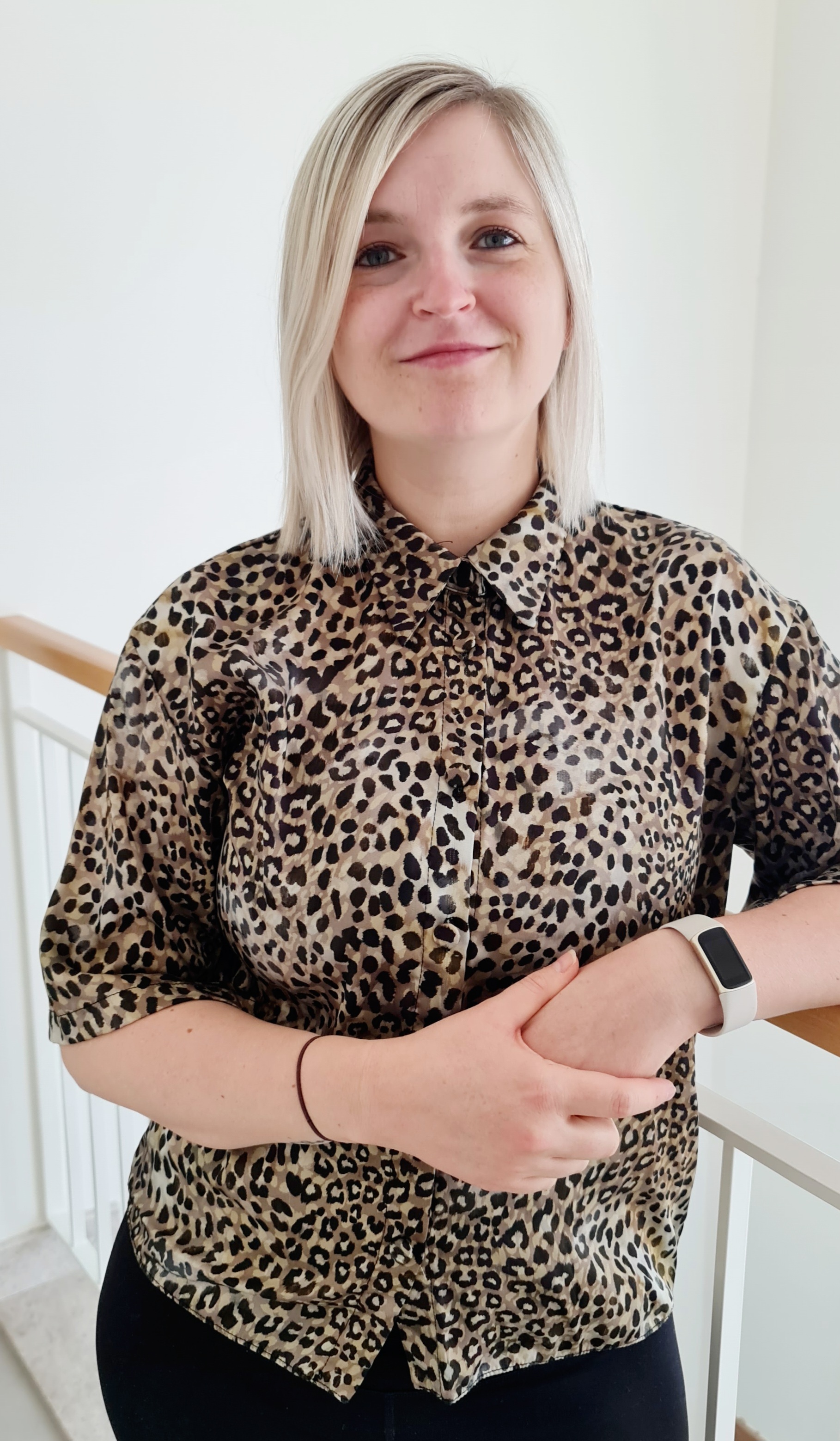
Katy Gillett is a seasoned journalist and editor, as well as the founder of Desert Prose, a resource and community for the Middle East’s media and PR freelancers.