






Dubai's food and beverage scene runs on momentum. Launches, activations, experiences. The city's restaurant culture is built on a vibrant calendar of events that keeps brands visible and tables full. When that calendar slows down or clears, as it has in recent weeks, the question facing every F&B-focused communications agency is the same: what now?
The answers, it turns out, say a great deal about how the industry has mastered the art of pivoting.
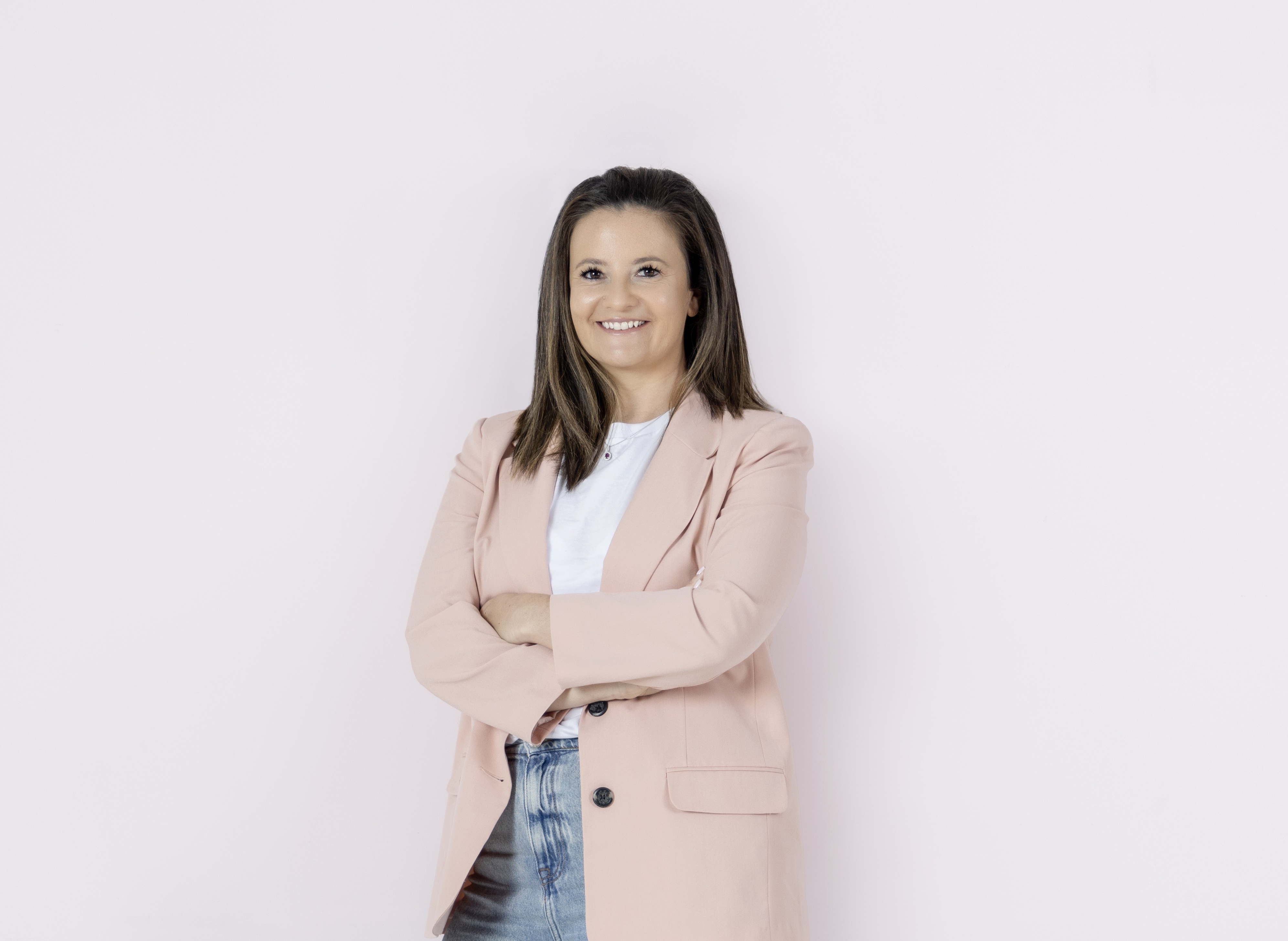
"It is true that Dubai's F&B scene is, under normal circumstances, relentlessly event-driven," says Marjorie Chapas, Head of PR at Umami Comms and Good Juju. "But when that noise reduces, it actually creates space. This is a moment where words matter more than events. In many ways, it is a return to the fundamentals."

That return to fundamentals looks different depending on the agency. At KPR, the shift has been deliberate and structural. "We're pivoting from event-driven visibility to story-driven visibility," says founder and CEO Ellie Keene. "We're keeping restaurant clients present through editorial media – chef profiles, behind-the-scenes kitchen content, supplier stories, and community-led narratives that don't require a room full of people. We're also leveraging this quieter period to secure long-lead features and review placements that would normally get lost in a busier news cycle. The clients who stay visible with substance now will be the ones who bounce back fastest when footfall returns."
For Josh Craddock, founder and Managing Director at JCRADS & Partners, the crisis has reinforced the value of a boutique agency model. "There's clearly been a behavioural shift in local residents, and tourists and business visitors have disappeared for obvious reasons," he says. "But what we've noticed is that we are incredibly well placed as a boutique agency to support our clients – all anchored around hospitality – with our broad backgrounds in high-level hospitality marketing, allowing us to consult on various challenges beyond traditional PR. This is hugely valuable to our clients, as they have an experienced hospitality marketing consultant embedded in their business with no additional fees, presenting credible ideas and initiatives that will help drive footfall and grow revenue."
Why silence is not a strategy
The case for staying visible is not just strategic. It is, by most accounts, essential. Major corporate events have been cancelled. Flagship events like Arabian Travel Market have been pulled or postponed. The tourist and business visitor market has effectively evaporated. For restaurants whose covers depended heavily on those pipelines, the impact has been acute.
However, the consensus among agencies is unambiguous: going dark is not the answer.
"When a brand goes quiet, that is also a message, and not the one they intend to send," says Chapas. "Some see silence as protective. In reality, the brand is simply disappearing. Because as uncertain and unprecedented as this moment is, life goes on. People are still going out, still dining, but they are being more selective about where they spend their time and money. That makes communication more important than ever. The brands that remain present, in the right way, are the ones that will be remembered."
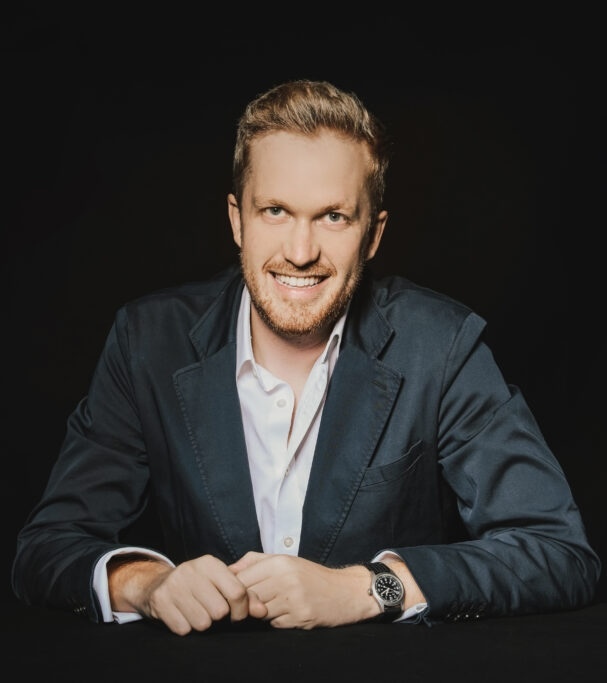
Craddock affirms the sentiment. "Those who go completely quiet and choose not to pivot – be it new limited menus, a unique offer, or a community discount – are likely to come out worse for it, and risk losing the support of their local community. With many venues having closed, it's important to be clearly seen as open and operating, leaving no doubt in people's minds."
Keene frames it in terms of timing. "The conflict has hit during March and April, historically the highest-demand months for the region, combining peak leisure travel with strong corporate activity, meaning the disruption to campaign calendars is disproportionately significant," she says. "Any content that was built around tourist footfall, large gatherings, or celebratory occasions needs to be paused or reshaped. That said, going dark is not the answer either."
The brands demonstrating this most effectively are those that have moved quickly and with purpose. Chapas points to Atlantis, which launched a campaign offering free daily access to Aquaventure World and The Lost Chambers Aquarium early in the crisis, when most residents were still staying home. Talabat, meanwhile, announced 100 rent-free cloud kitchen spaces for homegrown restaurants, "not just as a marketing initiative, but as an expression of a brand where giving back is embedded in its DNA. Generous, yes. But also smart, timely, and the kind of campaign that gets remembered."
The tonality of things
Tone, naturally, requires careful calibration. "In the current climate, overly celebratory marketing or aggressive promotions can feel out of step," says Craddock. "Hotels and restaurants should remain visible, but messaging should be grounded, useful, and community-focused. The operators who strike that balance will maintain their credibility. We strongly advise against commenting on the situation itself."
The guiding principle at KPR, as Keene puts it, is to stay present, human, and not to oversell. "Messaging that says 'we're here, we're open, come as you are' resonates right now. Frequency should be reduced but not eliminated. Two or three considered posts a week is far better than either a flood of promotional content or complete silence. The litmus test we use is: would a resident scrolling their feed at home tonight find this appropriate? If not, it waits."
Relationships, reimagined
Beyond client communication, the current climate has reshaped how agencies are managing their media and influencer relationships. For Craddock, that has meant a more human approach on both fronts. "This becomes a far more personalised approach, and one handled with sensitivity," he says. "For influencers, we are checking in regularly. This is their livelihood, and with the mood in the city evolving, we've been far more flexible in our expectations. Taking that extra time to check that they are in the city and genuinely checking in on them personally has felt important. We are all in this together."
Keene describes a similar shift in how her team is engaging with media. "We're proactively offering access, exclusives, and personal briefings rather than waiting for press releases to land. We're checking in on key contacts personally, not just professionally. We're also being honest with media about what our clients can and can't do right now. That transparency builds long-term trust far more than spin does. For influencers, we're moving away from transactional, event-based briefs, toward longer-form ambassador-style relationships that don't depend on a launch moment to activate."
Chapas says that the shared experience has, if anything, deepened the bonds across the industry. "Difficult times reveal the true nature of relationships," she says. "What I've observed is that brands, communicators, media, and influencers are all facing the same reality. We are all supporting one another and showing up in ways that go beyond our usual relationships. If anything, these connections feel stronger now than they ever did." The caveat she adds is a practical one: "The challenge, however, is turnover. Departures, for one reason or another, will be higher than usual in the coming weeks and months, unfortunately."
Ultimately, what emerges is a picture of an industry that, while undeniably under pressure, is finding its footing. The agencies navigating this well are the ones that moved early, spoke honestly, and resisted the temptation to either oversell or disappear. The events will return. The brands that remained present – thoughtfully, humanly, and with something real to say – will be the ones that people remember when they do.
To stay in the know, follow PRmoment MENA on LinkedIn here. You can also subscribe below to our weekly newsletter.