


Welcome along to what will be a very special edition of Good and Bad PR. I write this through misty eyes, as a long-time and much appreciated contributor to this column, has moved on to the great big Good and Bad PR bar in the sky; Brewdog.
Brewdog is a lesson in crisis communications
As someone who delivers the odd academic guest lecture, I can say with a certain amount of confidence that Brewdog will be used as the perfect example of a brand that was killed by a thousand negative comms moments.
That is not to say the communications team are in any way to blame. Comms, after all, holds a mirror up to the organisation that it represents and if you see merde in the mirror, it is merde that will leak out. Brewdog had a lot of merde.
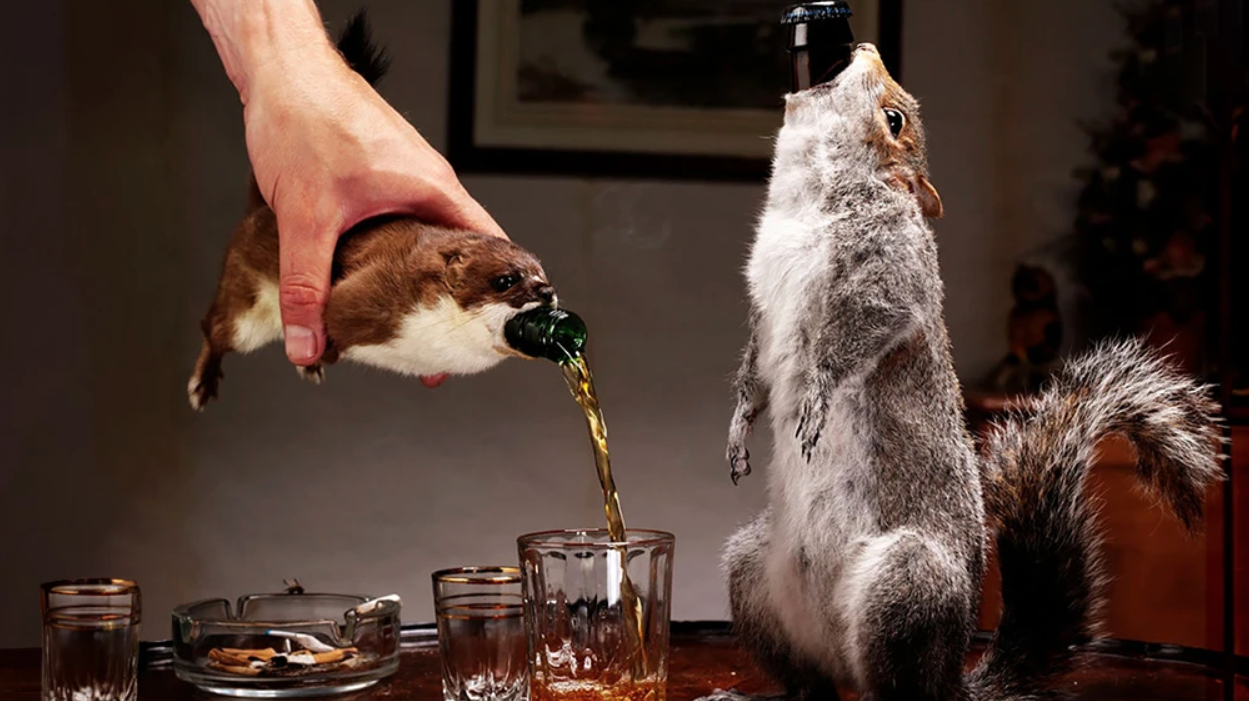
It was not all bad though. I remember the fanfare when they first launched. The campaigns that they did with some of the most respected agencies in the UK. My favourite was the beer that was served out of roadkill. When you write that last sentence it seems in poor taste, but it was of an age where this was acceptable.
What caused Brewdog to fail?
There were always murmurings in the gossip chambers of the PR agency community that Brewdog was hard to work with and I heard first-hand from an agency owner of tales of a strained internal culture. Obviously, the likes of the BBC eventually surfaced and evidenced those rumours.
Having a look through the back-catalogue of this very column and you can see that, as I have already said, it was not all bad news. Stunts like giving a free beer to anyone who proved that they had voted in the 2017 election was another campaign that I loved.
Sadly though, trawling through the many previous editions of Good and Bad PR does reveal that Brewdog received far more Bad PR mentions than they did Good.
A brand must surely have a certain level of paranoia to hire private investigators to look into former members of staff who had appeared in the above mentioned BBC exposé. This is something that the Guardian accused them of in 2022.
What happened to Equity for Punks?
Make no mistake, its Equity for Punks investment scheme was an initial PR success. The BBC reports that it is estimated to have raised around £75m. This is a staggering amount of money and demonstrates just how loved the brand was by the muggles. For the record, I never invested.
That success was slowly diluted over the years. When Brewdog took on private external investment in 2017 it was noted widely in the media that the US based investors were given “preferential shares” unlike the Equity for Punks mob who had “ordinary” ones. This meant the US investors would get more of the pie if Brewdog sold.
Did Brewdog have a toxic culture?
University lecturers in communications and business management won’t just point to the financial issues though. There were serious allegations of a toxic culture at the top, and then in 2024 came the announcement that it was going back on its word that it would pay its workers the *real* living wage. The initial announcement of becoming a real living wage payer came from the brand via a publicly available 7-page glossy monthly newsletter. The powerful announcement ended with the words “without us, we are nothing”. Corporate wankery at its finest.
To me, it always felt as though Brewdog was trying to achieve brand greatness on the cheap. Another example is a competition that it ran that started off with huge positivity and ended in a near miss with the ASA. A muggle won what he thought was going to be a solid gold can of their drink. The marketing of the competition certainly hinted at it but then the T’s and C’s had enough vagueness for them to dismiss the claims. Once again though, it didn’t stop the BBC from reporting on the issue.
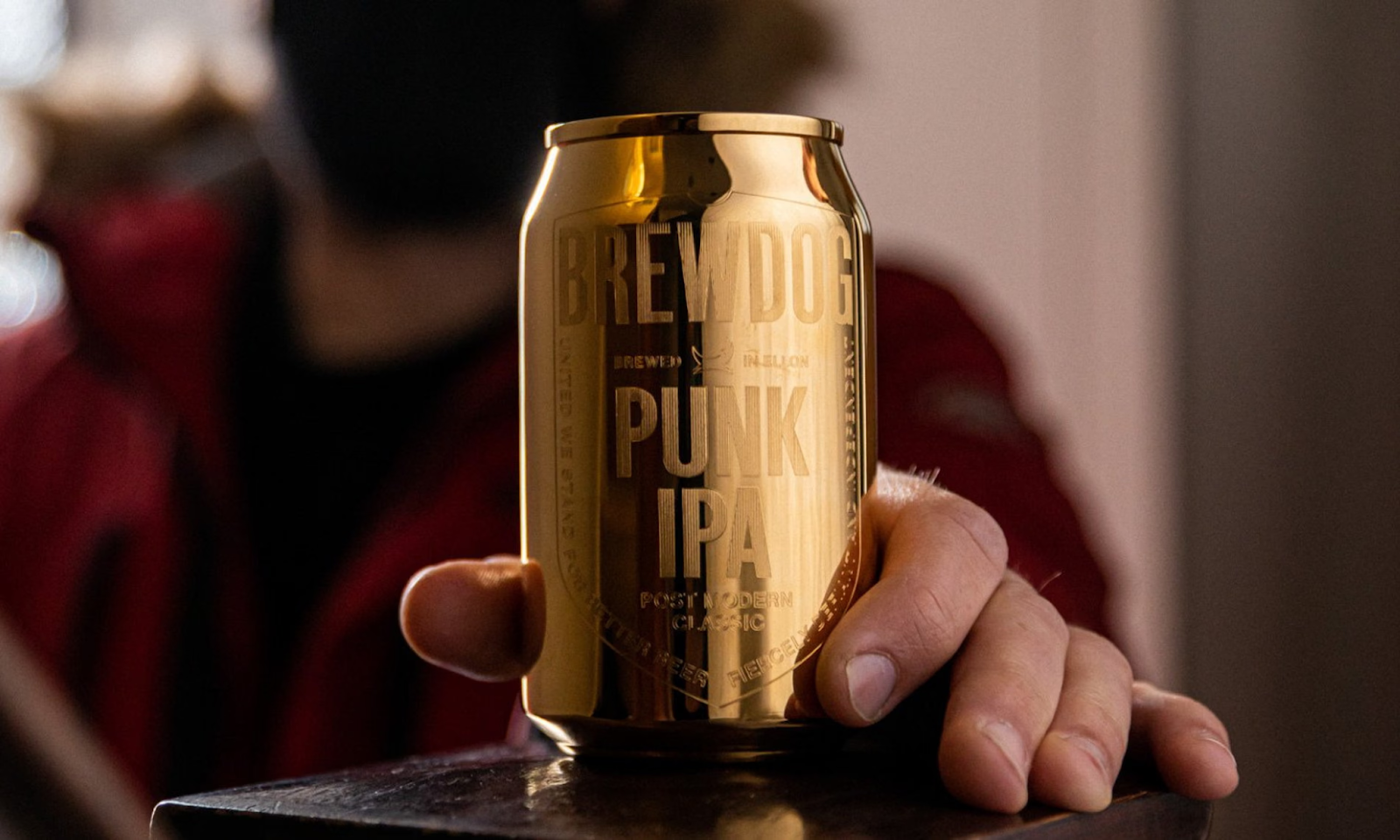
The competition issue happened in 2021 and in that very Good and Bad PR column I warned that the brand was fighting “crisis comms by a thousand cuts”. I should have also bought a lottery ticket for that weekend!
It could never shake off the accusations of having a toxic culture. It didn’t help itself by never fully addressing the issue. In the summer of 2021, when yet another set of negative culture stories came out, instead of doing the usual corporate crisis comms stance of announcing an independent investigation, it instead opted for creating a beer called Damage Control and asking staff to sign a response letter saying life was ace.
What did James Watt do next?
That particular move ended up with the CEO, James Watt needing to publicly apologise and then announcing an internal review.
I lost count of the number of ASA moments that the brand went through. Once again though, rather than reinforcing its punk image, this public noise worked against Brewdog. It could never realistically return to its punk brand image once it had gone down the route of bringing in the corporate lawyers and private investigators to allegedly fight off the many accusations about its negative culture.
James Watt felt that it became a personal vendetta, and to be fair to him, when you are constantly under the cosh, you can see why. As someone who has been directly employed in the marketing department of a brand in that sector, I also know how it works. We know from the public record that at least one of the ASA issues that the brand faced came from just one single complaint. I would bet 18 pence that this complaint came from a competitor.
This is what brands in every sector do. They see a competitor do well and then they go running to the authorities or regulators when they spot them doing the slightest thing wrong. How do I know this? I have been tasked with doing it myself as part of my role when working for many FMCG brands.
Did Watt become a victim of his own success? I think this played a huge part. He had a brash, confident, flick the v’s at any challenger approach and it clearly irked some in the industry. He seemed to lack the ability to listen to his comms team, or maybe they were terrified to tell him the truth. The last few days have been a strong example of that.
A good crisis comms person would have told him to hold off making any formal announcement right now. Let all the bad stuff come out, form an opinion and strategy around the narrative, take time away from the spotlight and then come back with a single hard-hitting interview.
The statement he issued this week poured oil on the fire, triggered a swathe of follow up issues and questions and was, in my opinion, one of the worst options he could choose. Was it arrogance? Was it a desire to remain in the spotlight or was it genuine concern for his former colleagues. I want to believe it was the latter, I really do.
As I said, I never invested in Brewdog and if I am completely honest, have never enjoyed one of their drinks that have been accidentally bought for me by friends. However, I did love the brand launch and the early ethos around what they were doing. Now though, they will mostly be mentioned by university lecturers and business consultants as an example of how to get it very wrong.
I will miss you Brewdog, and thanks for all the stories.
If you enjoyed this article, sign up for free to our twice weekly editorial alert.
We have six email alerts in total - covering ESG, internal comms, PR jobs and events. Enter your email address below to find out more: