





Sustainability has evolved to become more integral to the value and the everyday operations of many businesses.
And rather than just sharing achievements externally, communication inside the business that keeps employees committed to playing their part in positive change has become integral to retaining that value, according to a communications leader who now works as an ESG and sustainability consultant.
In some cases, firms are less vocal on sustainability action and have “dialled down” their focus on diversity, equity and inclusion because of political pressures and the appetites of international stakeholders, according to Sarah Atkinson, whose career has spanned communications director roles at large publicly-listed software companies, before training and transitioning into sustainability consultancy over the past decade.
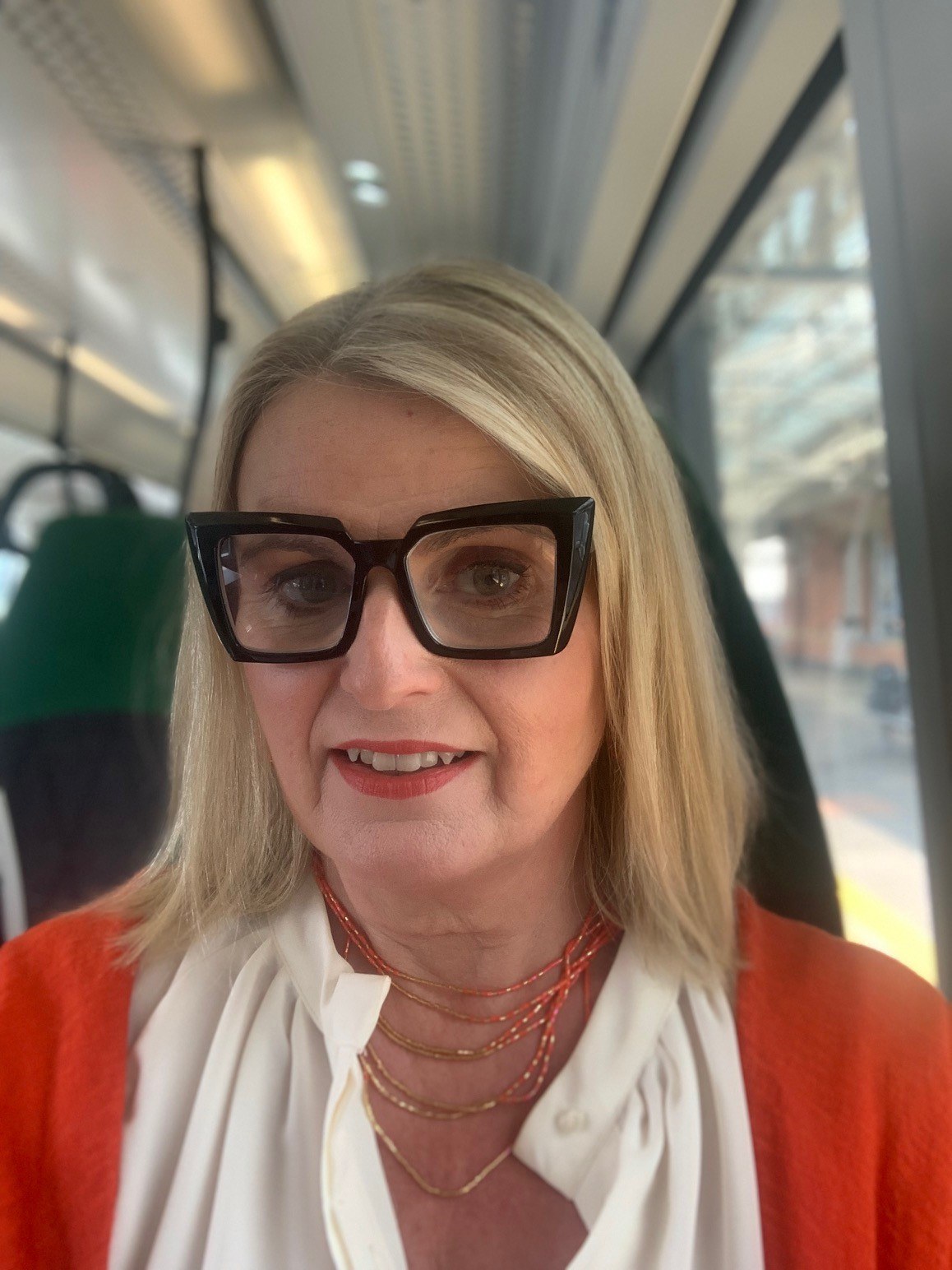
But many other businesses now see it as more of a competitive advantage that is tied to corporate value, risk management, operational efficiency, talent retention and reputational strength, she said. For them, sustainability has evolved to become more entrenched, rather than an “extra” company initiative.
“There are three main ways that sustainability has evolved. It has gone from having a largely environmental focus to embracing much of the ESG spectrum. It has gone from awareness-building through campaigns and communications to business accountability. And it has moved from an initiative to being an established part of the corporate infrastructure, such as when embedding carbon data in tenders, improving waste management or embedding fairness and inclusion into hiring, promotion and performance management,” she said.
“When sustainability is framed as risk management and competitive advantage, leadership backing becomes easier to maintain.”
The ongoing success of sustainability action is now rooted in several fundamentals, which Sarah covered in a webinar this week. The commercial benefits must be clear first, with objections tackled and external pressures addressed in relevant ways.
Employees must be involved early on so they have a sense of shared ownership of sustainability, and be given clear direction on how their behaviour will need to change, with line managers equipped to support them. Then progress must be shown tangibly, but without overloading teams with information.
“The strongest desire for employees to make a difference can often begin with the social dimension. Community partnerships, volunteering and inclusive workplace practices frequently resonate more emotionally than carbon metrics alone,” Sarah added.
Much of that employee engagement focus is down to effective internal communication being in lock-step with sustainable change. Businesses need to articulate clearly why it matters commercially as well as ethically, how individuals will contribute specifically and what impact is being created. All of that requires sustained but not overbearing communication, anchored on a consistent strategy.
“The most positive engagement happens when sustainability is utterly embedded, co-created with your people, reflected in what you do as a business every day and directly linked to business value. It should no longer be an extra but a fundamental,” she said.
“Behaviour change does not happen by email. If you are trying to move sustainability from ambition to action, you need more than targets. You need clarity, credibility and involvement.”
